Sydney Pest Control
Sydney Local Pest Control service
Our local experts provide safe and effective pest control services all over Sydney. Located in the centre of Sydney, Homebush we are able to cover the entire Sydney region including Sydney CBD, Eastern Suburbs, Northern Beaches, Northern Suburbs, Western Suburbs, South Western Sydney, Inner West Sydney and the Sutherland Shire. With expert pest exterminators that know the area we are committed to providing safe and effective pest control solutions to all Sydney residents that we have proudly served Australia for over 100 years.
Our merger with Pestrid Pest Control has allowed us to expand our service increasing our ability to provide premier treatment solutions to residential, commercial, strata management, body corporate and industrial properties alike.

Flick pest control offices near Sydney
Other nearby office include Newcastle, Port Macquarie, Canberra, and South Coast. Whether you are looking for emergency pest control, simply seeking a preventative pest control plan or even if you are looking for a washroom hygiene solution, give our team a call on (02) 8381 1773. View the services areas around Sydney here.
Experienced pest control in Sydney
Flick are the experts in Sydney at eliminating cockroaches, termites, rats and other pests from your home. Pests are a nuisance, and they also carry diseases, trigger allergies and are a health hazard for asthmatics. Don’t tolerate the odd cockroach. Call Flick to control and eliminate the problem safely before it turns into an infestation. Call (02) 8381 1773.
The warmth and shelter provided by homes in Sydney are perfect for insects, termites and rodents. We specialise in pest problems in Sydney, from Hornsby in the North to the Sutherland Shire in the south. We service homes as far west as Emu Plains and up into the Blue Mountains. Our humid summers and mild winters encourage a range of pests to our homes. Not to mention the odd crumb and open window. But, pests don’t have to be a way of life. Where there’s one ant, cockroach or rat, you can be sure there are more. Squashing one cockroach in its path may solve the problem today. But to treat the problem for good you need professional local knowledge, backed by global research.
Seasonal Pest Challenges and Effective Pest Control Solutions
Rodent Alert
It’s rodent season! With favourable climatic conditions, certain regions are at higher risk of rodent infestations. Safeguard your property and ensure a rodent-free environment by contacting Flick Pest Control. Our expert team offers tailored solutions to combat rodent issues. Don’t wait until it’s too late – reach out to us today for effective and reliable rodent pest control services.
Home Protection Plans in Sydney
We offer a variety of effective and affordable Home Protection pest control plans to suit your home and budget. You can choose from Gold, Silver or Bronze. Our rolling plans will eradicate crawling insects and common household pests with the ease of monthly payments. Home Protection offers a proactive approach to pest control, with affordable monthly plans for continual pest protection and termite prevention. Learn more. Subscribe and save to Home Protection for exclusive 12-month warranty. To protect your home from pests and termites with a Home Protection Plan call (02) 8381 1773 today.
Beware – Rodent Infestations on the Rise in Australia
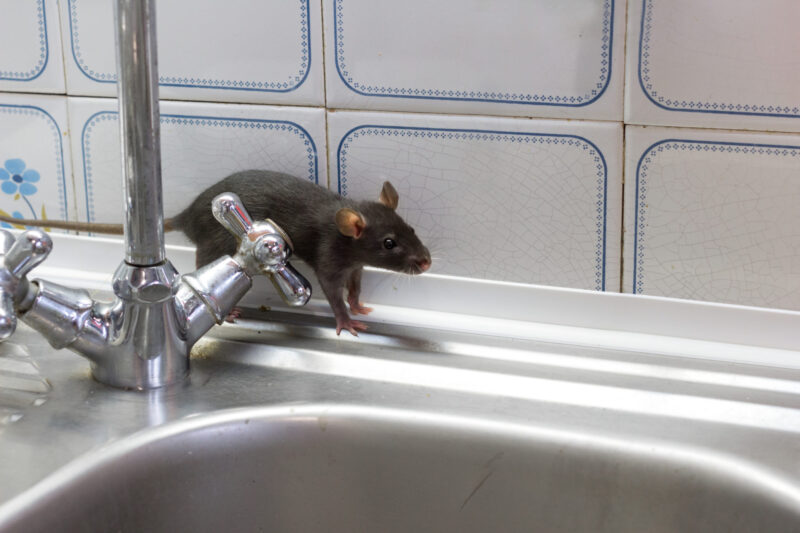
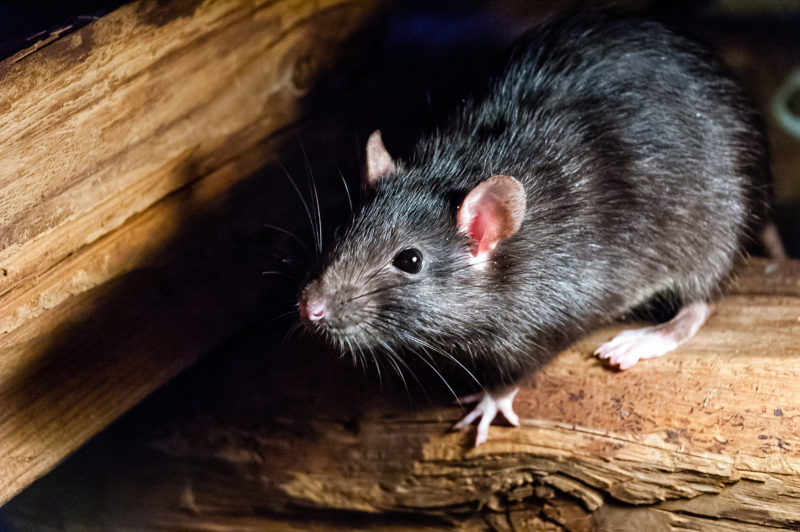
There has been a concerning rise in rodent infestations across Australia in recent months. The increase in rodent populations can be attributed to various factors such as changes in weather patterns, urbanisation, and lack of effective pest control measures. Rodents not only pose a threat to human health by spreading diseases, but they also cause costly damage to property and agricultural crops. The most effective way to prevent further infestation is to mitigate and prevent rodents on your property. If you encounter any rodents, contact Flick Pest Control immediately. Our licensed technicians will create a tailored and effective rodent pest control solution for your residential or commercial property. With Flick Pest Control, you can trust that your property will be free from rodents and other pests, giving you peace of mind and a clean, safe environment.
Effective and Affordable Pest Control with 24/7 Digital Rodent Monitoring in Sydney
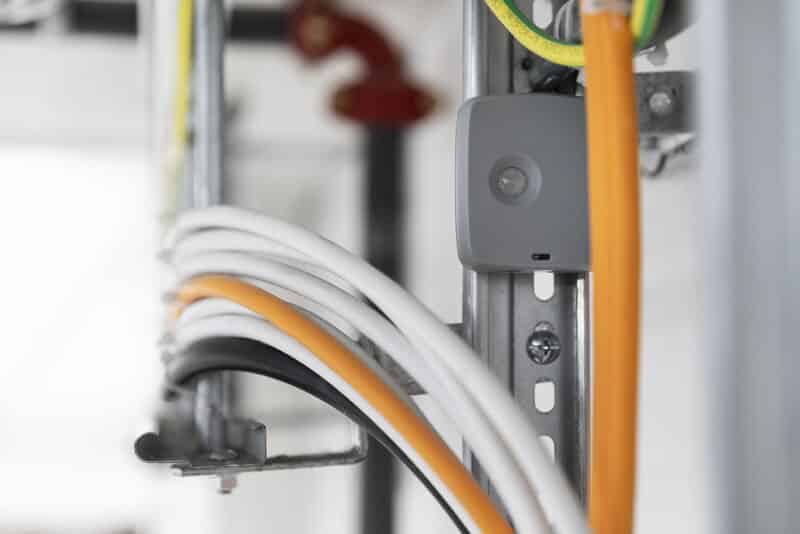
SMART Digital Rodent Monitoring is a 24/7 non-toxic rodent monitoring system that is strategically installed in your home. If activity is detected, your local Flick team will contact you to arrange a treatment plan. SMART Digital Rodent Monitoring is included in our Gold Home Protection Plan and can be added-on to our Silver and Bronze plans. To find out more about Home Protection Plans and our SMART monitoring system, call (02) 8381 1773.
BED BUG TREATMENT
With over a century of experience in the industry, the team at Flick provide everything you need to maintain pest control in Sydney . In addition to keeping the common pests away, such as spiders, rodents and cockroaches, we also offer comprehensive termite and bed bug treatment services that stop bugs in their tracks.
Termite prevention
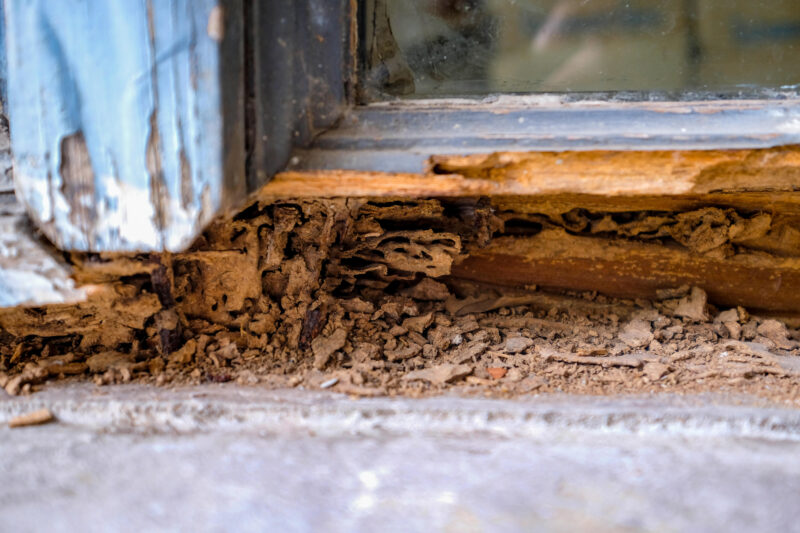
Every area of Sydney is at risk of termites, not just those who live near the bush or trees. Termites have wings and can easily travel to any location rich in food supply, like your home. Termites can cause serious structural problems for your home. Speak to us about our preventative plans and customised solutions.
Pest Management Solutions
Safe and effective pest management solutions. Flick has been treating Aussie homes for creepy crawlies for over a century, that’s why we’re Australia’s number one pest control company. Don’t place the health and comfort of your home at risk. Call Flick today to safeguard your home. Call (02) 8381 1773.
Mould Treatments in Sydney
Powerful mould treatments for homes in Sydney. Our mould fogging solution eradicates visible mould, targets and kills airborne mould spores, and provides a non-toxic coating to surfaces, creating a barrier to stop mould from growing back. A mist is distributed into the air throughout the entire internal environment to provide consistent coverage, eliminating mould and other bacteria. Our low-toxic, environmentally friendly solution requires minimal downtime and will provide ongoing protection, stopping the mould re-grouping and growing into the environment.
End of lease pest control in Sydney
REAL ESTATE PEST CONTROL SERVICES IN SYDNEY
Did you know end of lease pest control treatments are required for every rental agreement, especially if dogs and cats are living in the property? Moving between, to or from a rental property can be stressful without the added pressure of ensuring the home is pest free. If you’re moving in, it’s important to ensure that you’re moving into a clean and pest free environment. If you’re moving out, unwanted pests like cockroaches, ants, fleas, and spiders can make it difficult to get your rental bond back. Our team of expert technicians can take care of your end of lease pest control ensuring the property remains pest free. For more information on Real Estate Pest Control in Sydney please contact:
Customer Development Manager
Email: sydney.realestate@flick.com.au
Phone: 02 8412 2493
SUPPORTING OUR LOCAL Sydney COMMUNITY
Flick Pest Control Sydney is extremely proud to be a sponsor of the following charities, club and organisations – Sydney Theatre Company, Sydney Swedish Australian Chamber of Commerce, Penrith Panthers, King’s Old Boys Football Club, Hills Rugby Club and Bankstown Sports Strikers FC
Customer Reviews in Sydney











Common Pests Across Sydney
Sydney Pest Control News and Tips
A SMART Pest Control Solution For Your Sydney Business

Unveiling the Hidden Threat: Termites in the Blue Mountains
How to Get Rid of Rodents: Effective Pest Control Solutions in Sydney
Rodent Pest Control in Sydney: Keeping Your Home and Business Rodent-Free with SMART Digital Pest Control
Getting Ready for Winter Pests in Sydney